
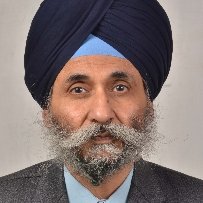
PGI- Chandigarh
Rheumatologists are trained to manage complex cases of Rheumatoid Arthritis, Systemic Lupus Erythematosus (SLE), and Vasculitides in adults. But when a child walks into the clinic with joint pains, fever, or rash, the diagnostic landscape shifts dramatically. Pediatric rheumatology is not a miniature version of the adult specialty – it is, in fact, a distinct field demanding specialized knowledge and appropriate training.
Presentations in children diverge sharply from adults, and overlooking this can delay critical interventions. These differences stem from ‘immature’ immune systems, growth-related biomechanics, and genetic predispositions that are unique to pediatrics. Misdiagnoses as ‘growing pains’, or as adult mimics, wastes precious time – children cannot afford delays when joint damage or organ failure looms.
Consider the differences:
a). Lupus
The clinical features of childhood-onset SLE are very different from that of adults. Neonatal lupus is unique – usual presentations include a typical rash, and transient hematological involvement. However, cardiac involvement manifesting as heart blocks may need early and specialized interventions. In children below 5, monogenic forms of lupus are common and the clinical manifestations can be very variable. The anti-dsDNA titres may not be elevated in this sub-group. In older children, the presentation of lupus is often much more severe than in adults. Severe, and often life-threatening, renal and neurologic involvement is common.
b). Arthritis
Similarly, Juvenile Idiopathic Arthritis (JIA) is not the adult rheumatoid arthritis occurring in children. Larger joints (e.g. knees, ankles) are more commonly involved in children as compared to adults. Oligoarthritis with accompanying asymptomatic anterior uveitis is unique to pre-school age children, especially girls. Affected patients may also have ANA positivity. Subtypes like systemic JIA (sJIA) mimic infections with high-spiking fevers and an evanescent salmon rash – such presentations are not usually seen in adults with Still disease. Macrophage activation syndrome (MAS) can often be seen in association with sJIA – it is much less common in adults. MAS is a medical emergency and mandates early diagnosis and treatment – delays can result in fatalities.
c). Vasculitides
The spectrum of vasculitides in children is completely different from that in adults. Kawasaki disease (KD) remains the most common vasculitic disorder in children and is more common than all the other vasculitic disorders combined. Delays in diagnosis, and treatment, of KD are associated with significant long-term cardiac morbidity and, on occasion, even with mortality. KD is now the commonest cause of acquired heart disease in children all over the world.
d). Autoinflammatory disorders
There is increasing recognition of a unique set of rheumatologic disorders in children that primarily affect the innate immune system. These are known as autoinflammatory disorders and are characterised by ‘sterile fevers and inflammation without autoantibodies’. Pathophysiology is complex, but often involves the IL-1/IL-6 pathways. Early identification of these disorders is crucial. India’s National Policy for Rare Diseases now offers free treatment for several of these conditions (via drugs like anakinra, tocilizumab) at the designated Centres of Excellence. Spotting these disorders early, through genetic panels and/or clinical scores, can transform outcomes, preventing amyloidosis or chronic disability.
e). Primary Immunodeficiency Disorders
Yetanother layer complicates children with rheumatologic disorders. This is the clinical overlap of rheumatological disorders with Primary Immunodeficiency Disorders (PIDs) – a heterogenous set of inherited conditions that are now categorized as Inborn Errors of Immunity (IEIs). Conditions like STAT3 gain-of-function or CTLA4 haploinsufficiency mimic rheumatic diseases with arthritis, uveitis, or lung involvement, but stem from immune dysregulation. In children (and occasionally also in adults), IEI-rheumatic overlaps demand dual expertise. A child with what appears to be ‘refractory JIA’, might harbor X-linked agammaglobulinemia (XLA) or common variable immunodeficiency (CVID). Similarly, chronic granulomatous disease (CGD) can have presentations mimicking rheumatological disorders. Missing these conditions can have fatal consequences. Understanding IEIs is not optional – it is an essential prerequisite to optimal diagnosis and treatment of children suffering from rheumatic disorders.
Training in Pediatric Clinical Immunology and Rheumatology:
India lags in training facilities for this niche specialty. The Allergy Immunology Unit at the Advanced Pediatrics Centre, PGIMER, Chandigarh pioneered the first 3-year DM training programme in Pediatric Clinical Immunology and Rheumatology for our country in 2014. We have so far trained 26 fellows in this specialty. However, even after 12 years we remain the only centre in India awarding this DM degree. Fellowship programmes (of 1 year duration) exist elsewhere in the country and have contributed significantly to the availability of trained manpower in this specialty. However, we need many more centres to initiate DM/DNB programs in Pediatric Clinical Immunology and Rheumatology. Only then would we be able to do justice to this specialty, and prevent overburdening of adult rheumatologists with pediatric referrals.
Specialist pediatric societies:
India remains one of the very few countries in the world with standalone pediatric national societies in this specialized field. These include the Pediatric Rheumatology Society of India (organizing the annual National Conference on Pediatric Rheumatology, NCPR), Indian Society for Kawasaki Disease (ISKD, with its annual conference), and Indian Society for Primary Immune Deficiency (ISPID, hosting its yearly meet). Not many countries have such dedicated national societies in niche areas of pediatric rheumatology / immunology – it is time for us to leverage this benefit for the training of our fellows, and for the management of children with rheumatic disorders in India.
The way forward:
It is time for adult and pediatric rheumatologists to collaborate more closely, with expanded training centres to build and develop this expertise nationwide for our country. Refer suspected pediatric cases promptly and advocate for training hubs in regions that still do not have pediatric rheumatologists. We would welcome more active participation of adult rheumatologists in NCPR / ISPID / ISKD events and activities. More academic centres mean more DM/Fellowship seats in pediatric rheumatology for our fellows, thereby bridging the adult-pediatric divide. Together, we need to ensure that no child in India suffers because of undiagnosed, and untreated, rheumatic fury – we owe this to our children in India.
MD; DCH (Lon.); FRCP (Lon.); FRCPCH (Lon.); FAMS
Formerly:
Email: surjitsinghapc@gmail.com

Copyright 2026 IRA eNewsLetter. All rights reserved. | Powered by BoxCloud


