From the President’s Desk: Bridging the Gap—The Vital Role of Primary Care in Indian Rheumatology
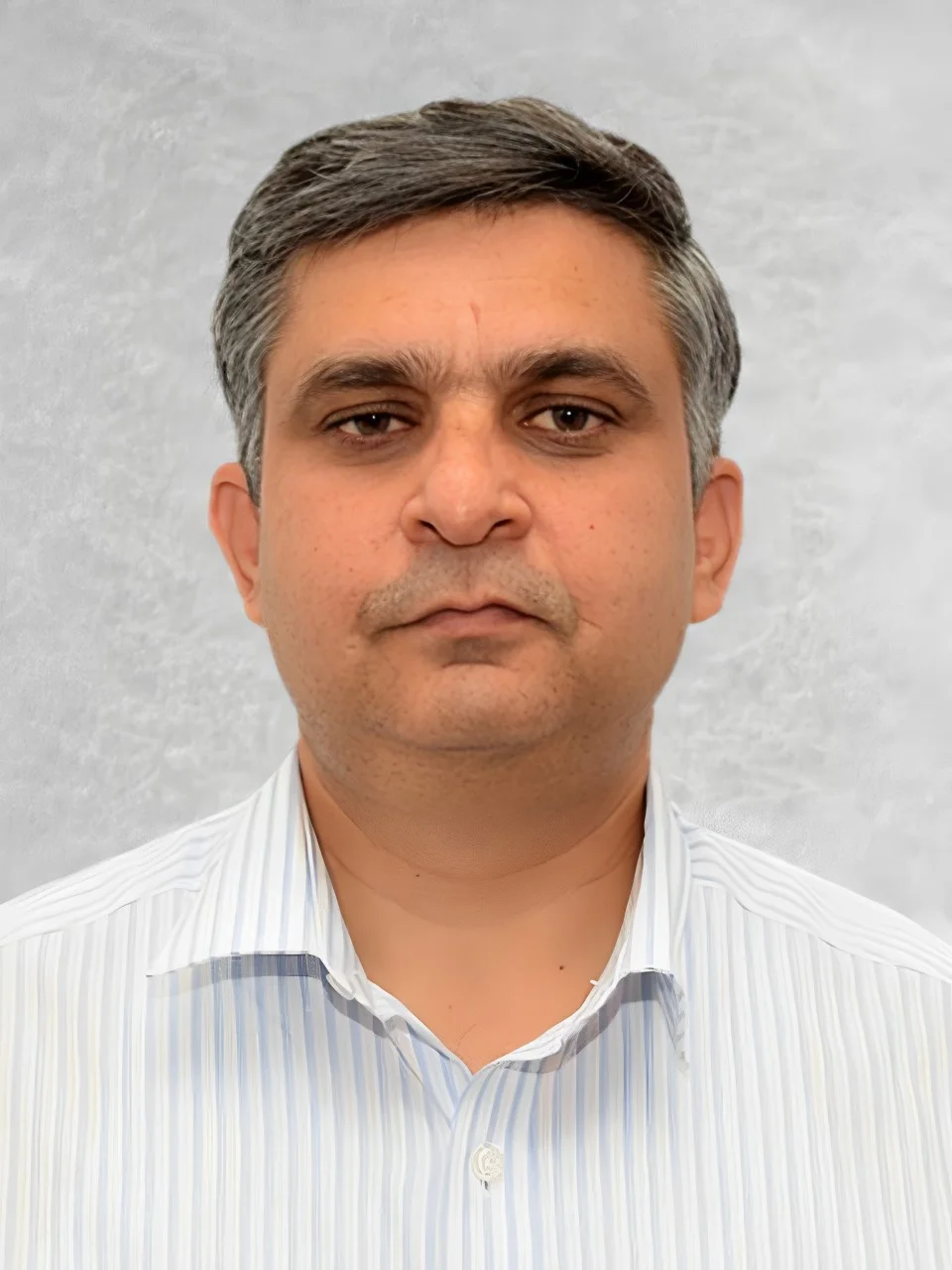
Prof. Aman Sharma
President, Indian Rheumatology Association
Respected Seniors and Dear Friends,
As we observe April as Rheumatological Diseases Awareness Month, I am reminded of the immense responsibility we carry as the primary advocates for musculoskeletal health in India. While our specialty has seen remarkable growth, with new training centres and expanding research portfolios, the “treatment gap” for the millions suffering from rheumatic and musculoskeletal diseases (RMDs) remains a formidable challenge.
RMDs affect an estimated 25% to 30% of the Indian population, ranking among the top causes of physical disability nationwide. From the rising incidence of some of the diseases to growing number of patients with RMDs, the disease burden is staggering. Yet, with a woefully inadequate number of trained rheumatologists to serve over 1.4 billion people, the bulk of initial care inevitably falls on our colleagues in primary care.
Primary care physicians are the “gatekeepers” of the healthcare system. However, current data suggests significant lacunae in rheumatology training at the undergraduate level. A lack of confidence in identifying early RMDs often leads to delayed diagnosis e.g. Spondyloarthritis is frequently mistaken for simple disc prolapse, leading to an average diagnostic delay of nearly seven years.
Thus, we must empower primary care doctors with the tools to distinguish inflammatory joint pain from mechanical pain. There should also be a mechanism for early referral and awareness of the “window of opportunity”—the critical early months where aggressive treatment can prevent permanent joint damage
The “Rheumatological Diseases Awareness Month” is not merely a symbolic gesture. It is a strategic initiative to:
Combat Therapeutic Nihilism: We must dispel the myth that arthritis is an inevitable part of aging or that “nothing can be done”.
Promote Evidence-Based Care: By raising awareness, we can steer patients away from unproven alternative treatments that often lead to delayed specialist intervention.
Advocate for Accessibility: Demand for better insurance coverage and government support for affordable DMARDs and biologics.
I urge all IRA member and state chapters to engage with their local medical associations, and to enhance public awareness initiatives that demystify these “silent” diseases.
By bridging the gap between primary care and specialized rheumatology, we ensure that a patient in a remote village has the same chance at a pain-free life as one in a metropolitan centre.
Together, let us make “Early Diagnosis, Better Life” a reality for every Indian.