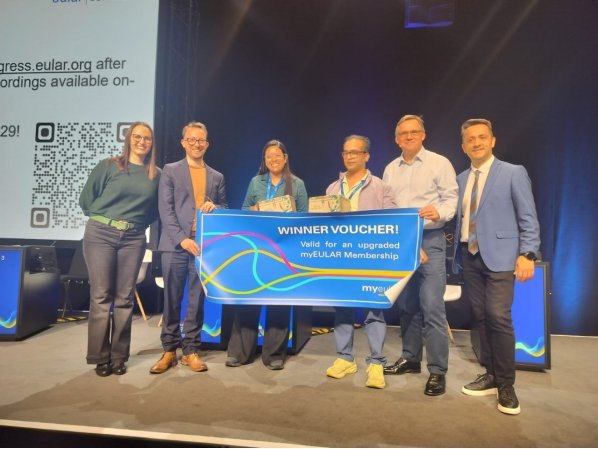
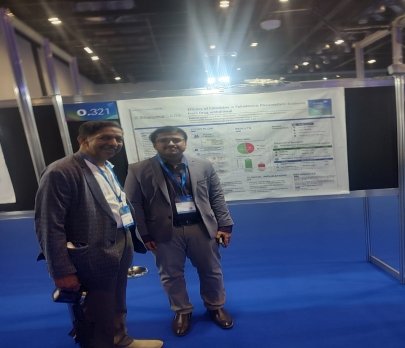
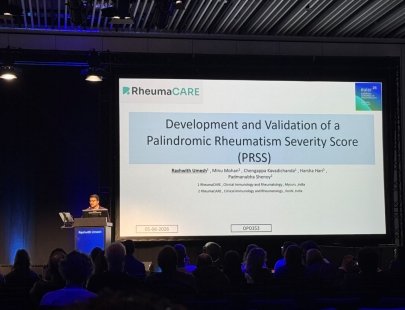
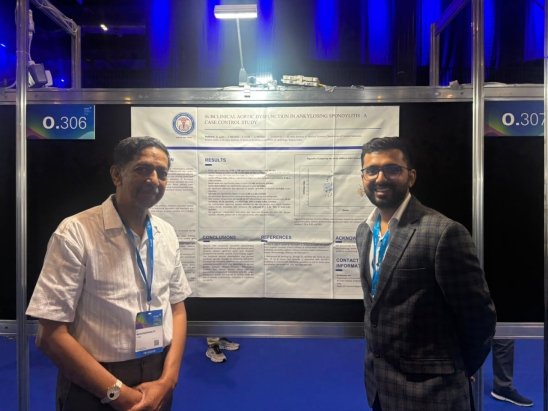
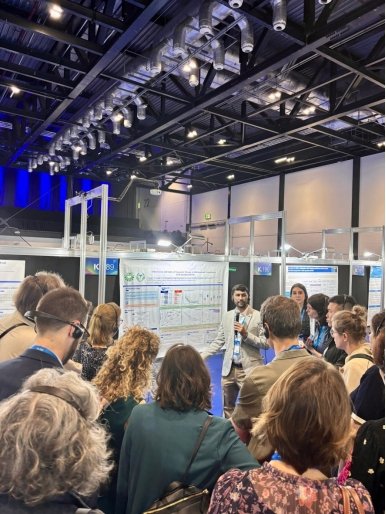
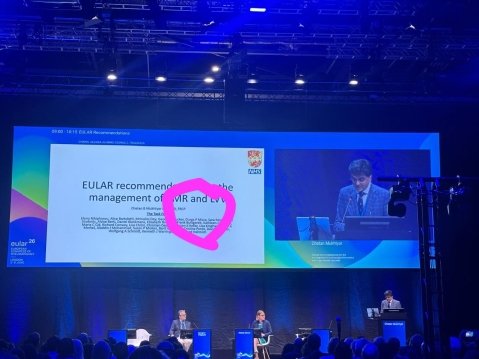
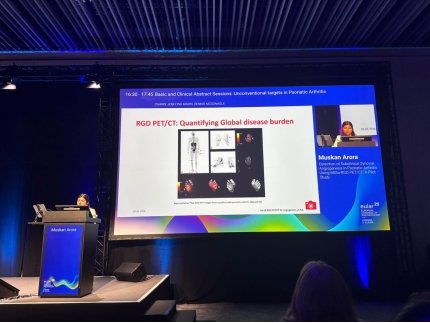
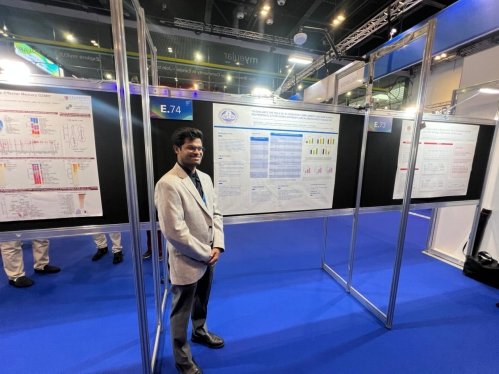
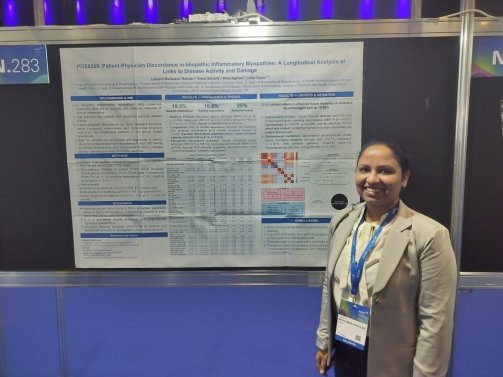
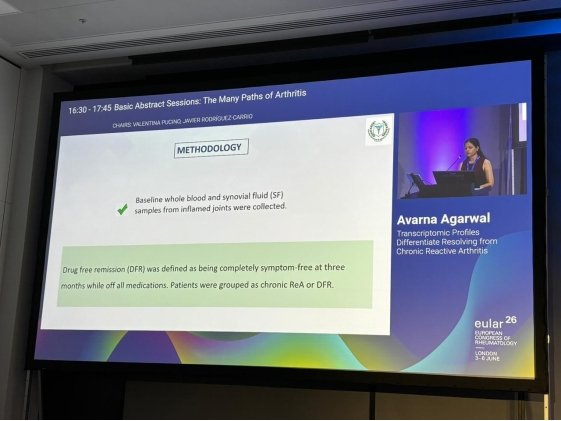
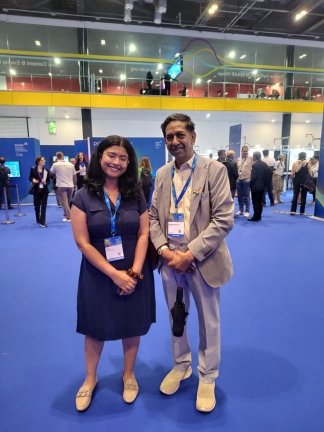
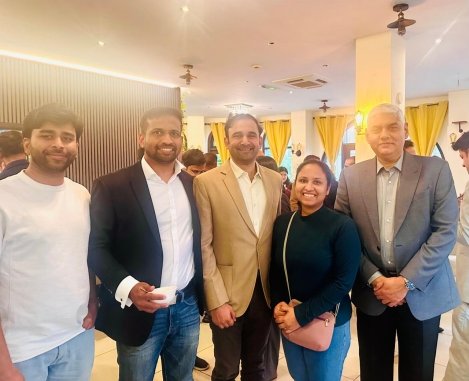
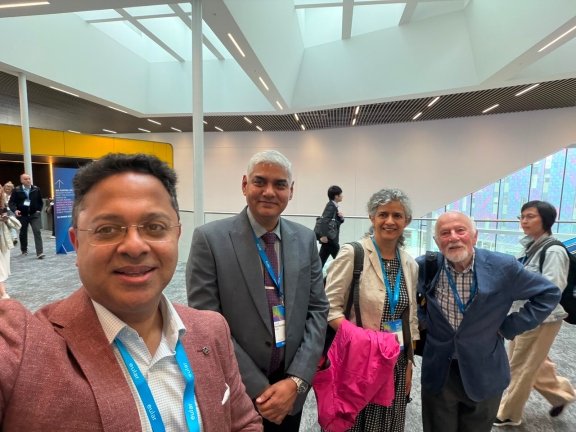
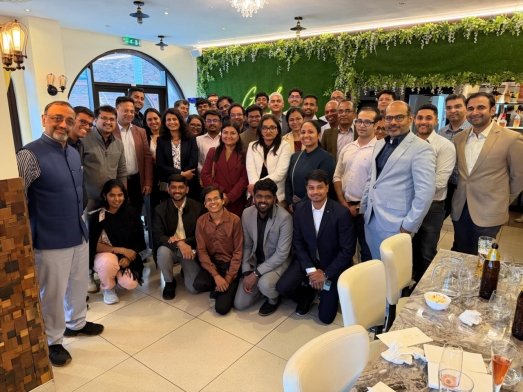
It was a pleasure to attend the EULAR Congress 2026 held in London, UK, at the beginning of this month. This international conference, with over 12,000 delegates, has become the premier annual gathering of healthcare providers in rheumatology and allied subspecialties, with its diversity, breadth, and productive engagement.
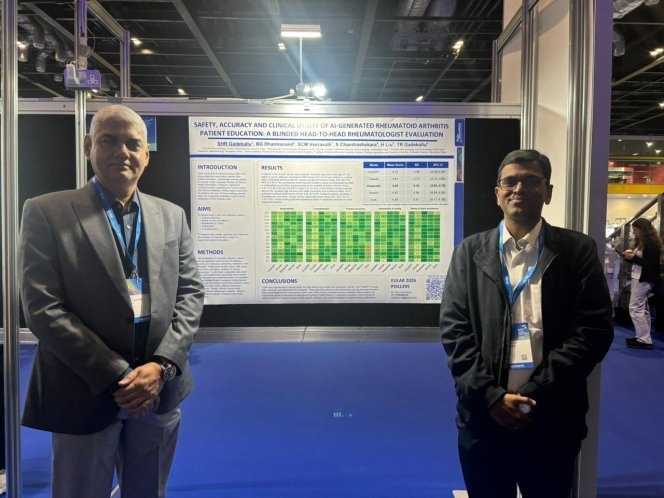
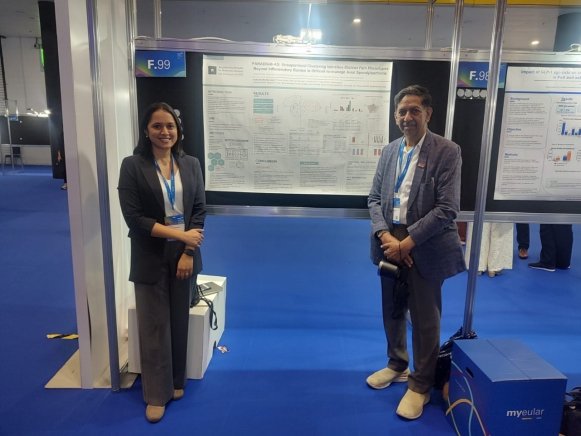
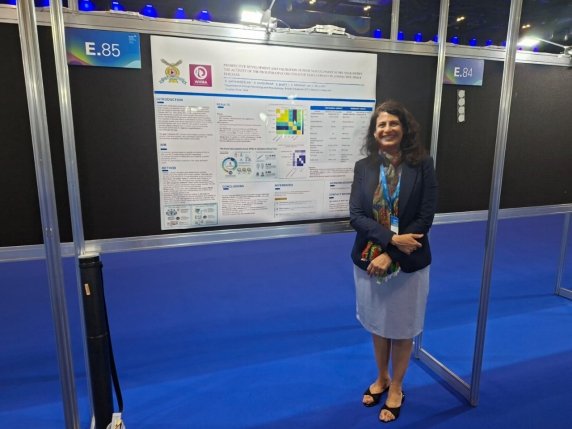
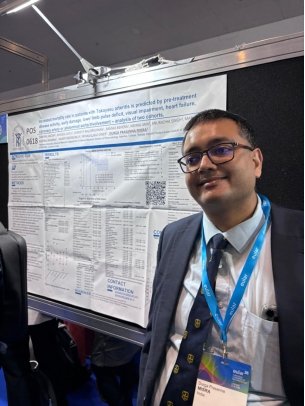
While the personal highlight for me was to present the Asia Pacific League of Associations for Rheumatology (APLAR) Consensus Statements for the Management of Reproductive Issues in Autoimmune Rheumatic Diseases as the lead of the project, I was delighted to see many trainees and colleagues from India presenting abstracts of their work and contributing to this academic extravaganza in different ways.
Such a dynamic presence in an academic rheumatology meeting of this magnitude has multiple benefits, including visibility, recognition, and outreach. Moreover, it is an invaluable opportunity for trainees in particular to engage with leading experts and key opinion leaders in this field and explore avenues for further research and career development. The universally high standards of scientific proceedings serve as an eye-opener, allowing one to appreciate the fact that eminence, based on sustained high-quality output over the years, is both welcomed and respected.
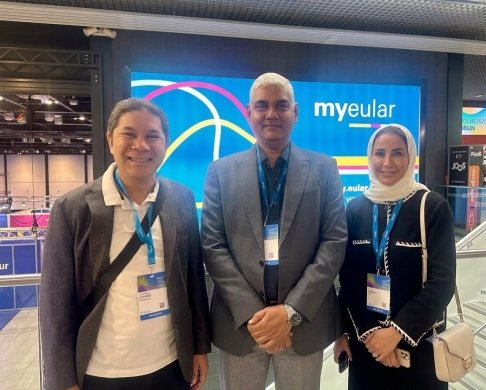
The EULAR 2026 was not only about the academics but also about bonhomie and camaraderie. Opportunities to meet friends and colleagues, and networking, were not to be missed, and finding those brief moments with one’s mentor(s) to become motivated and inspired again, enough to rededicate oneself to caring for our patients, was priceless.
With the aforementioned exciting range of benefits, I would hope that many more trainees and early-career rheumatologists from our country would attend and explore the funding opportunities offered by the Indian Rheumatology Association (IRA) and APLAR to present their work at major international meetings.